Siracusa, Sicily
2023
Siracusa (Syracuse) is a historic city on the island of Sicily, noted for its rich Greek and Roman history, including being the birthplace and home of the pre-eminent mathematician and engineer Archimedes. Siracusa was one of the major powers of the Mediterranean world, allied with Sparta and Corinth and exerted influence over the entirety of Magna Graecia. Described by Cicero as "the greatest Greek city and the most beautiful of them all," it qualed Athens in size during the fifth century BC. It later became part of the Roman Republic and the Byzantine Empire. Under Emperor Constans II, it served as the capital of the Byzantine Empire (663–669). Palermo later overtook it in importance, as the capital of the Kingdom of Sicily. Eventually the kingdom would be united with the Kingdom of Naples to form the Two Sicilies until the Italian unification of 1860.
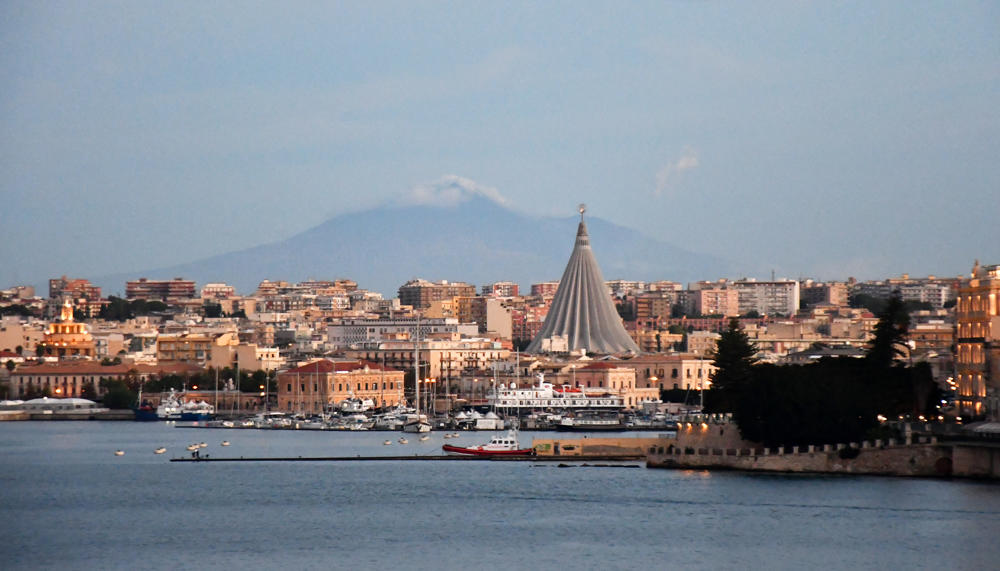
Basilica of the Madonna delle Lacrime, a 20th-century Roman Catholic Marian shrine church in The modern building, derided by some as an inverted ice-cream cone, dominates the skyline of the approach to Ortigia. That is Mount Etna in the background.

Piazza Archemede and the Fontana Diana

Piazza Archemede and the Fontana Diana in front of the Bank of Sicily

Piazza Archemede and the Fontana Diana

Piazza Archemede and the Fontana Diana

Clock Palace

Piazza del Duomo
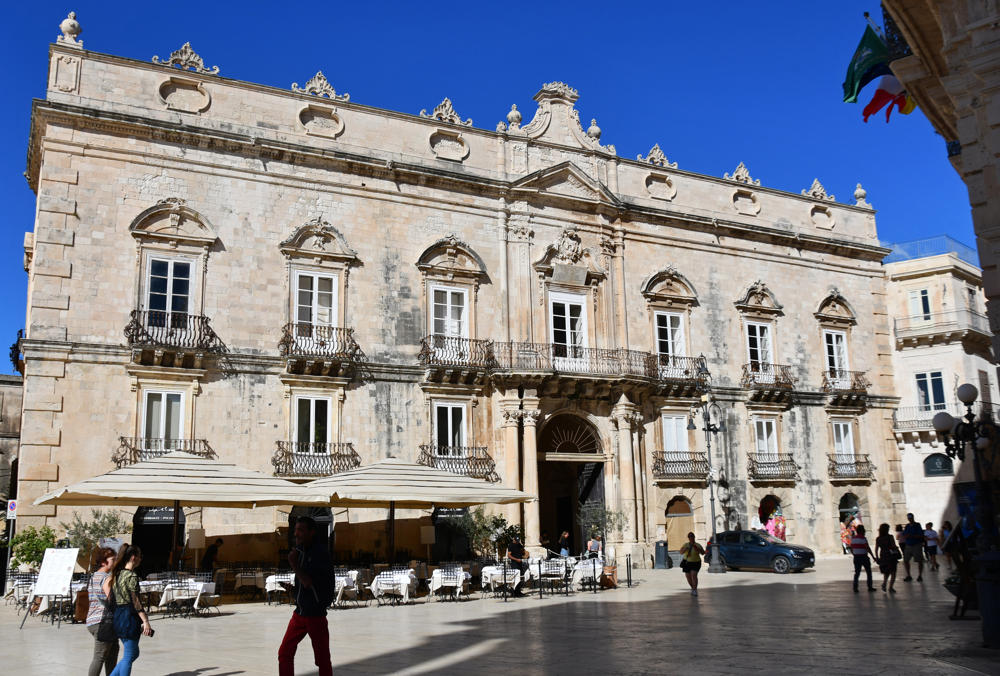
Palazzo Beneventano del Bosco in the Piazza del Duomo
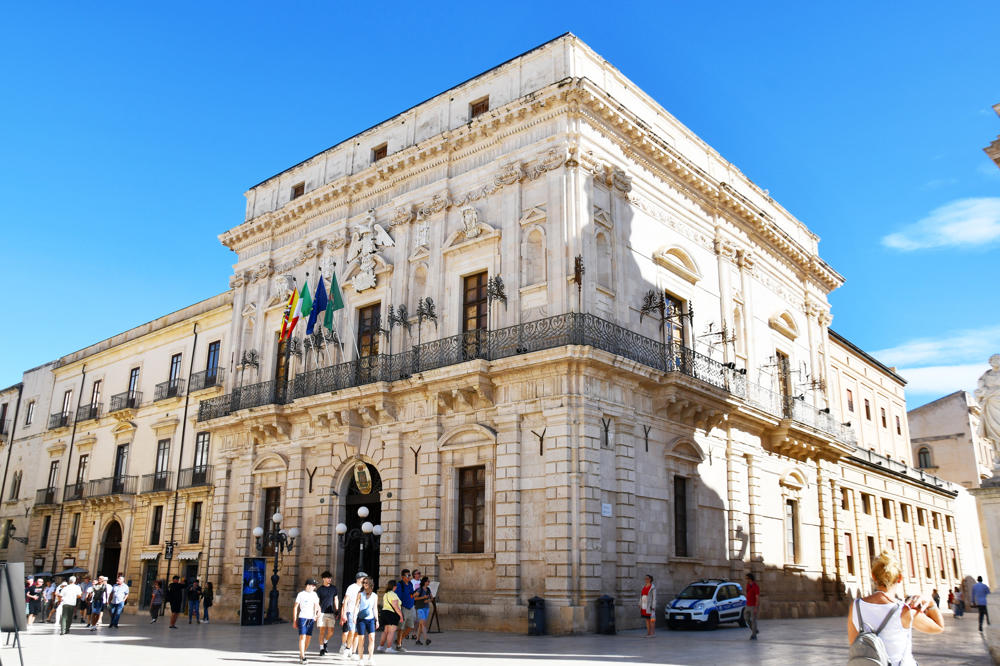
City Hall in the Piazza del Duomo
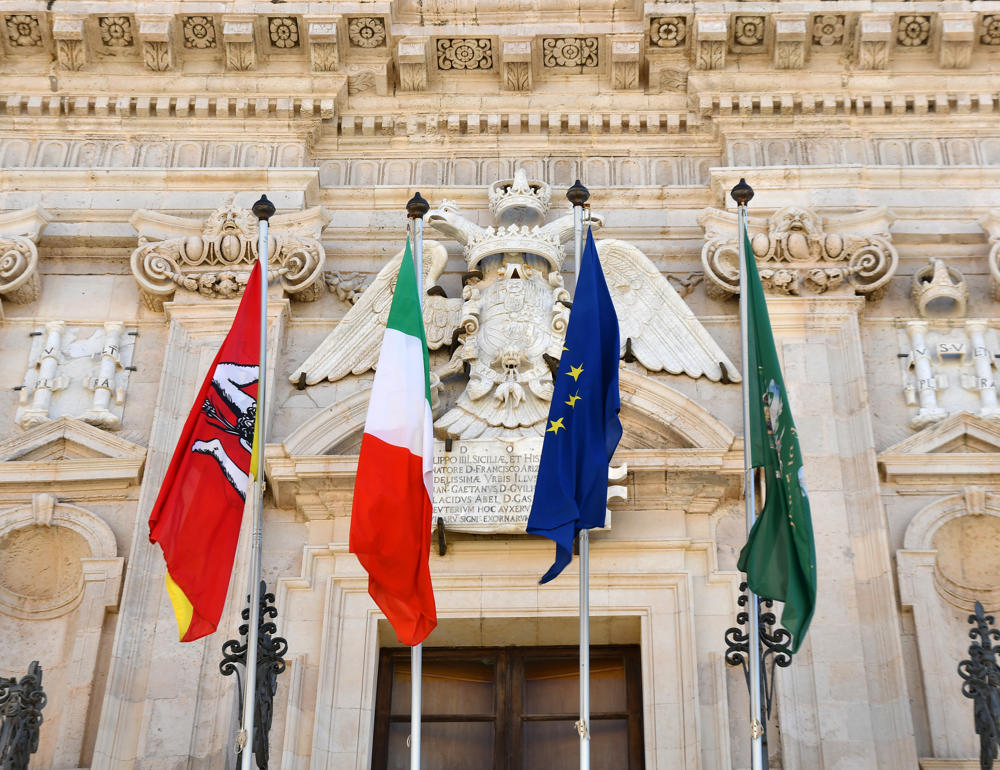
City Hall in the Piazza del Duomo - flags of Sicily, Italy, the European Union, and Siracusa

Courthouse in the Piazza del Duomo
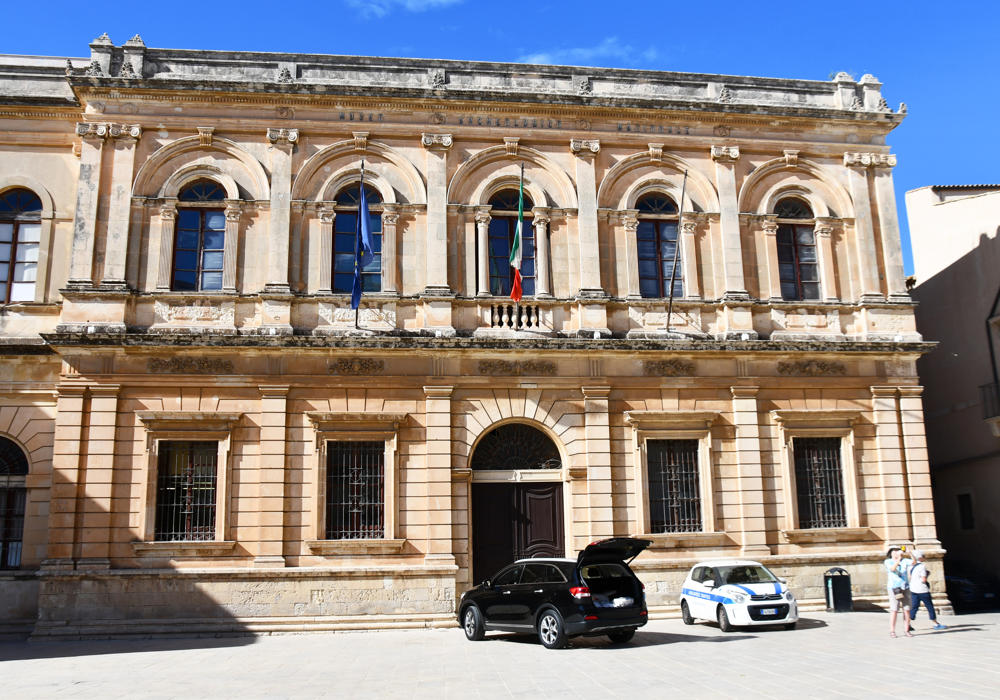
Palazzo della Sovrintendenza ai Beni Culturali di Siracusa - a former museum - in the Piazza del Duomo

Gelateria in the Piazza del Duomo

Temple of Apollo

Temple of Apollo

Temple of Apollo
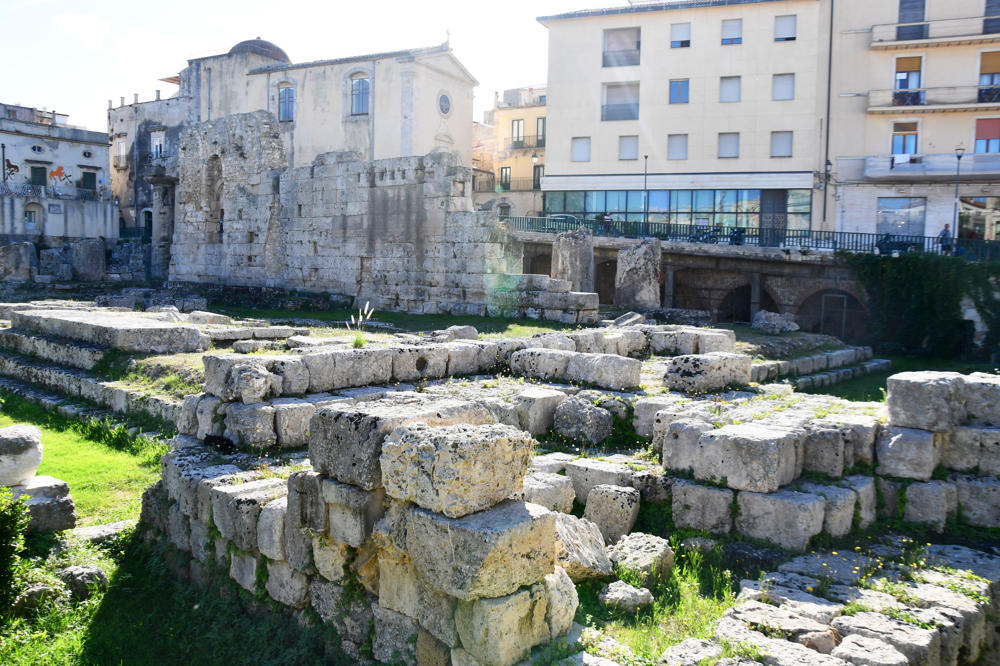
Temple of Apollo

Temple of Apollo

Walkway along the water towards the Castello Maniace


Flag of Sicily

Artwork on Ape Colissimo vehicles - many call them "tuktuks" but they have been built by Piaggio since 1948
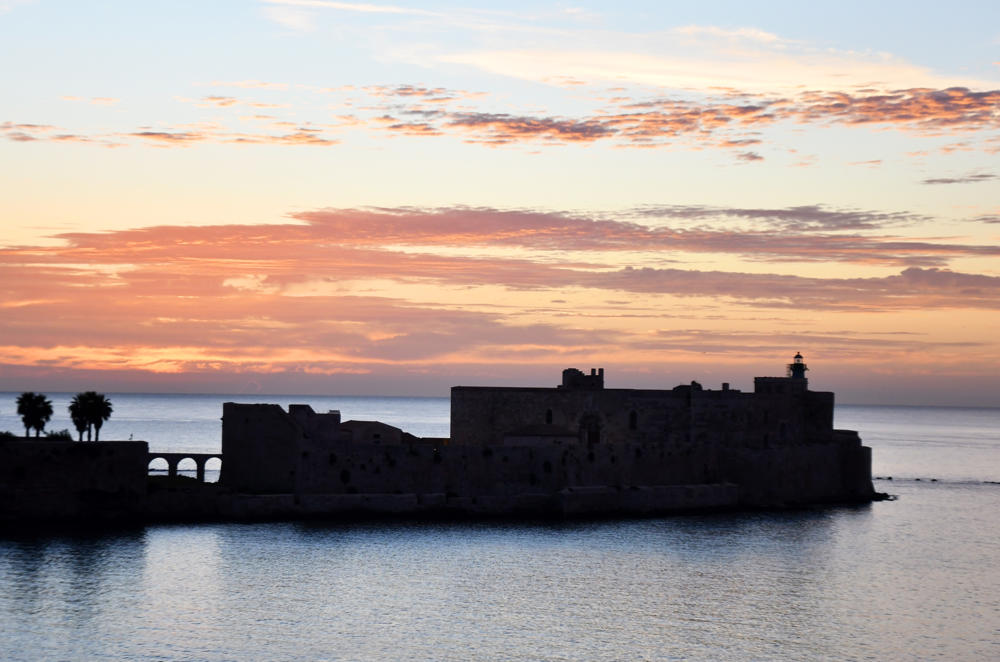
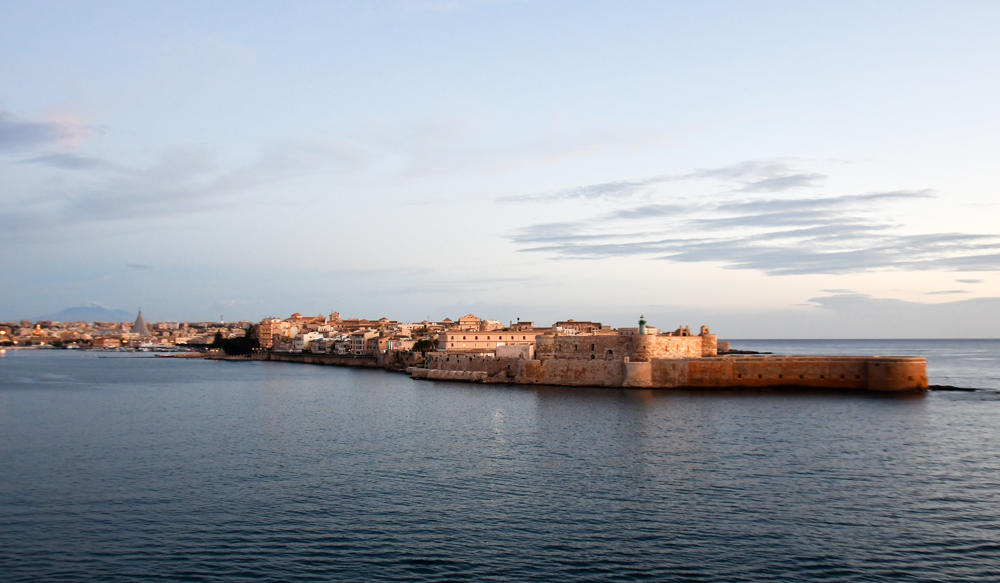
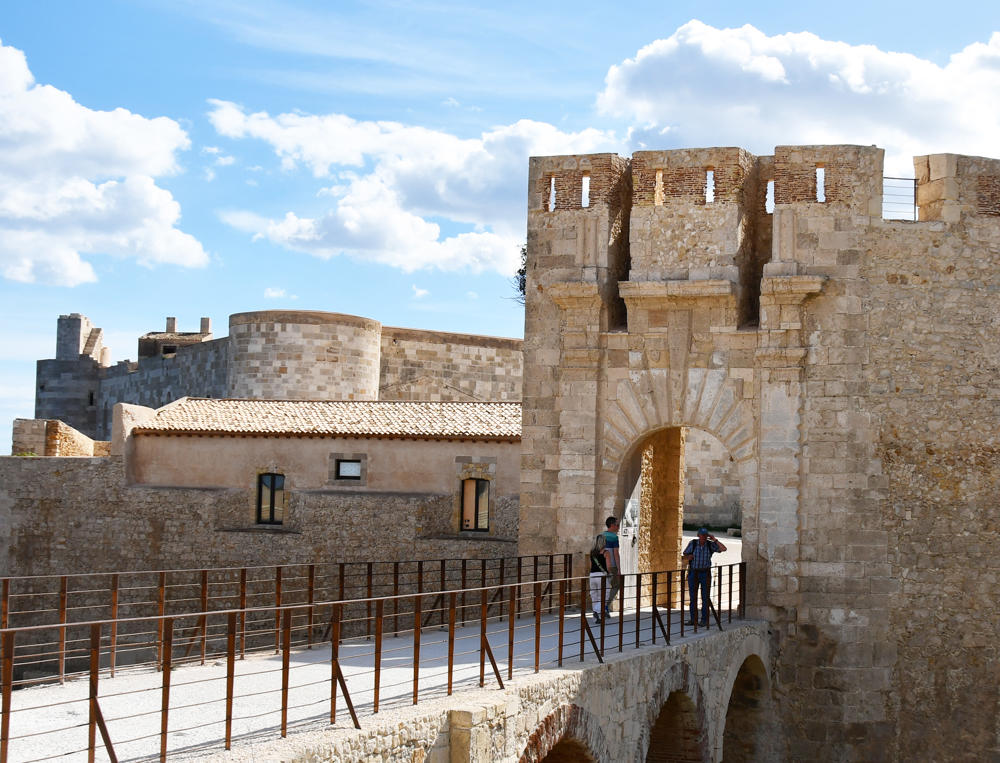
Castello Maniace
The Castello Maniace is a citadel and castle in Syracuse, Sicily, situated at the far point of the Ortygia island promontory. The castle was built between 1232 and 1240 by Emperor Frederick II (King of Sicily). It is named for George Maniakes, an Armenian general who captured Syracuse from the Arabs in 1038 on behalf of Byzantine Emperor Michael IV.




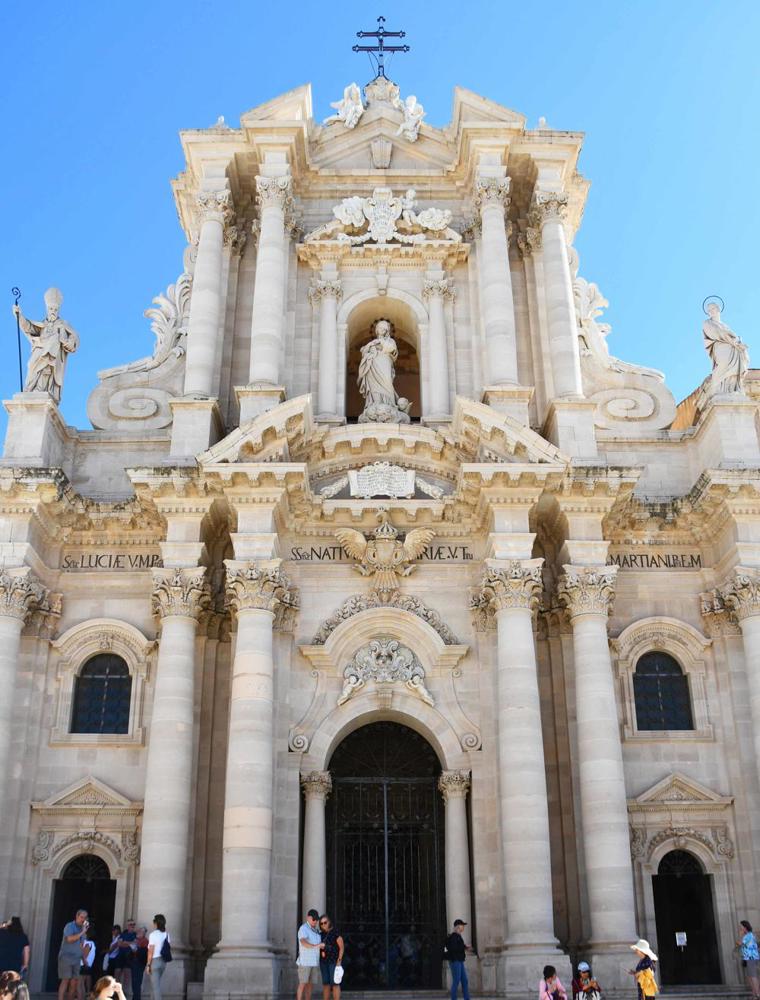
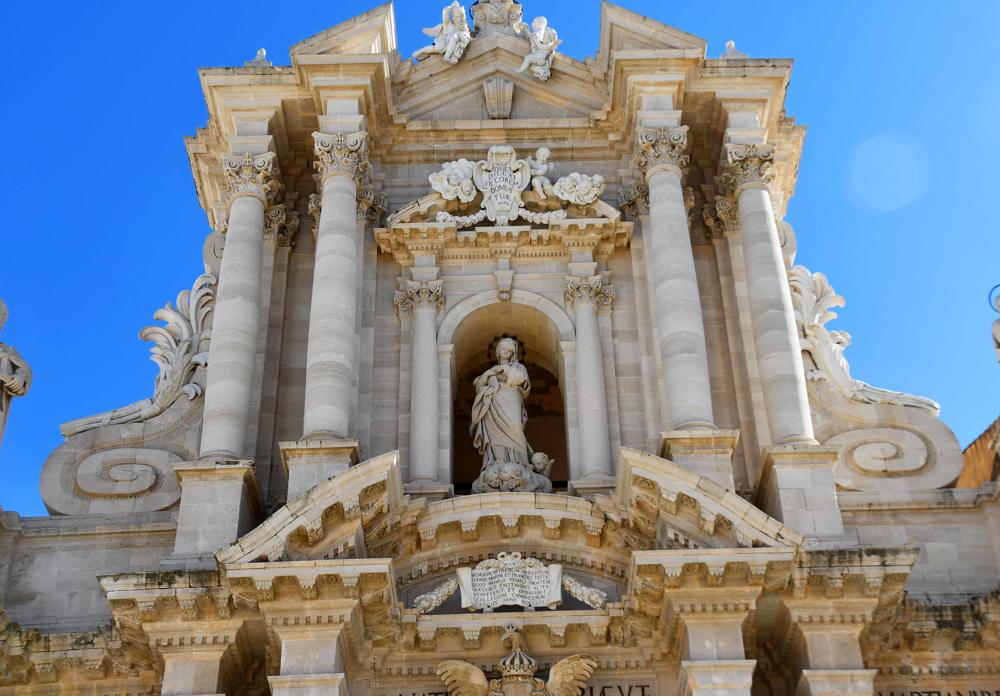
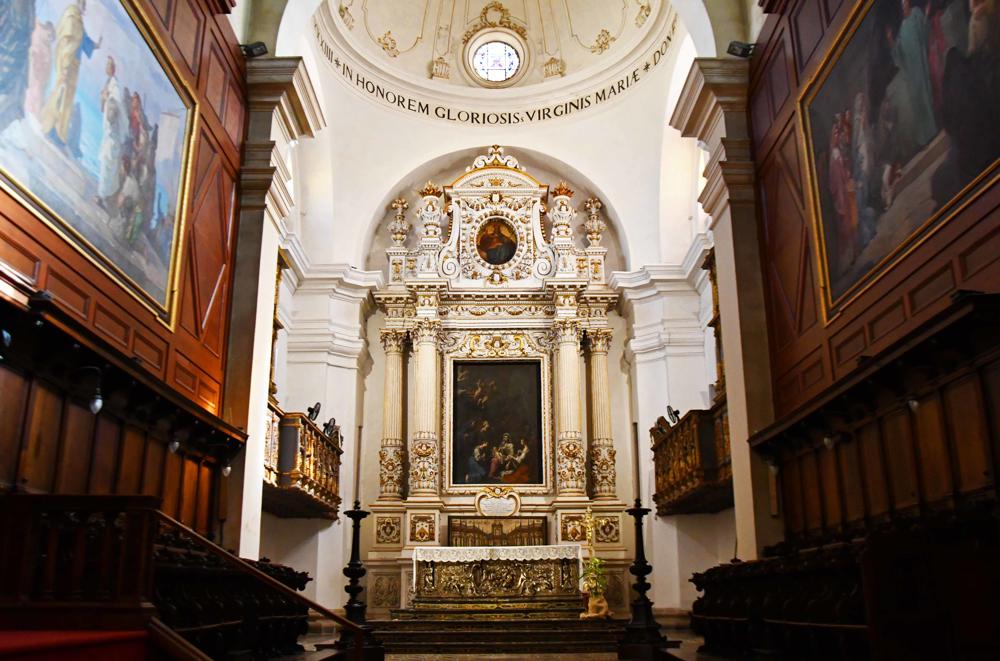
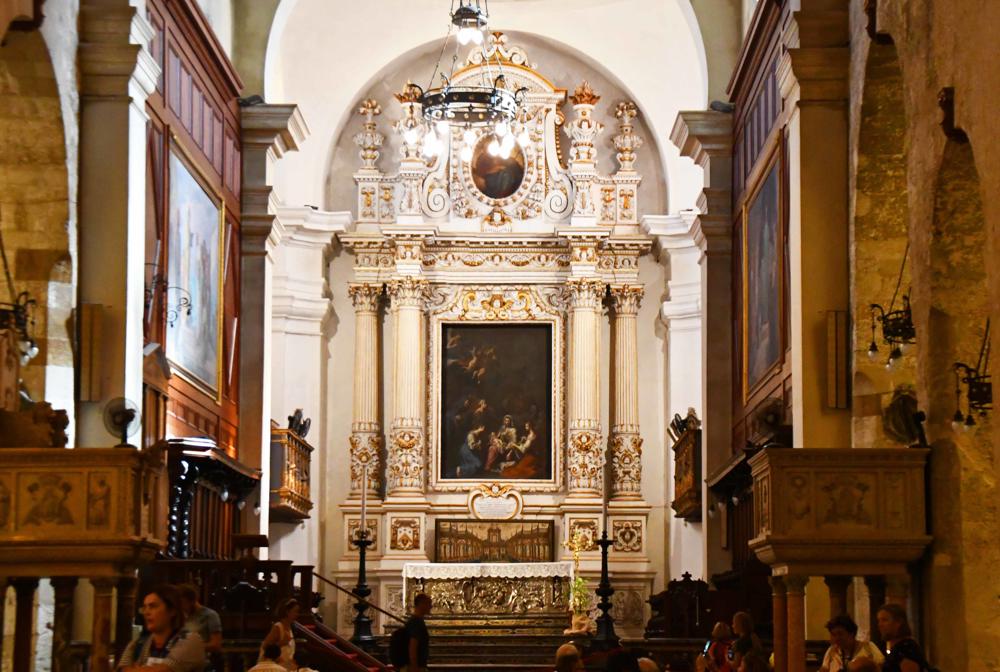
Duomo di Siracusa
The Cathedral of Syracuse (Duomo di Siracusa) is formally the Cattedrale metropolitana della Natività di Maria Santissima. The present cathedral was constructed by Saint Bishop Zosimo of Siracusa in the 7th century. The battered Doric columns of the original temple were incorporated in the walls of the current church. They can be seen inside and out. The building was converted into a mosque in 878, then converted back when Norman Roger I of Sicily retook the city in 1085.



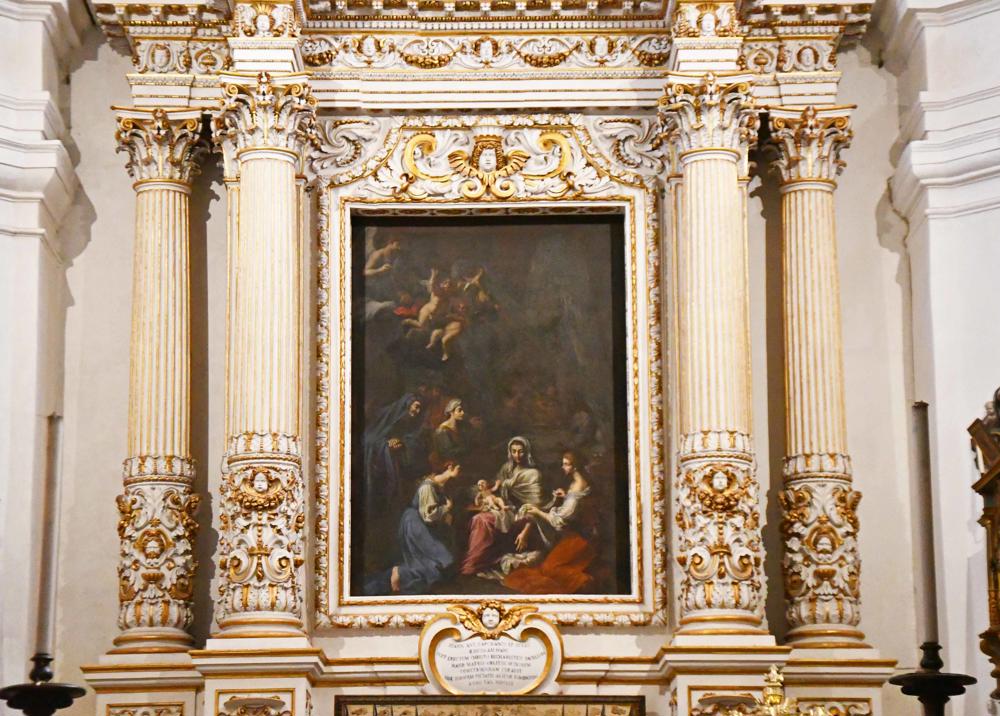


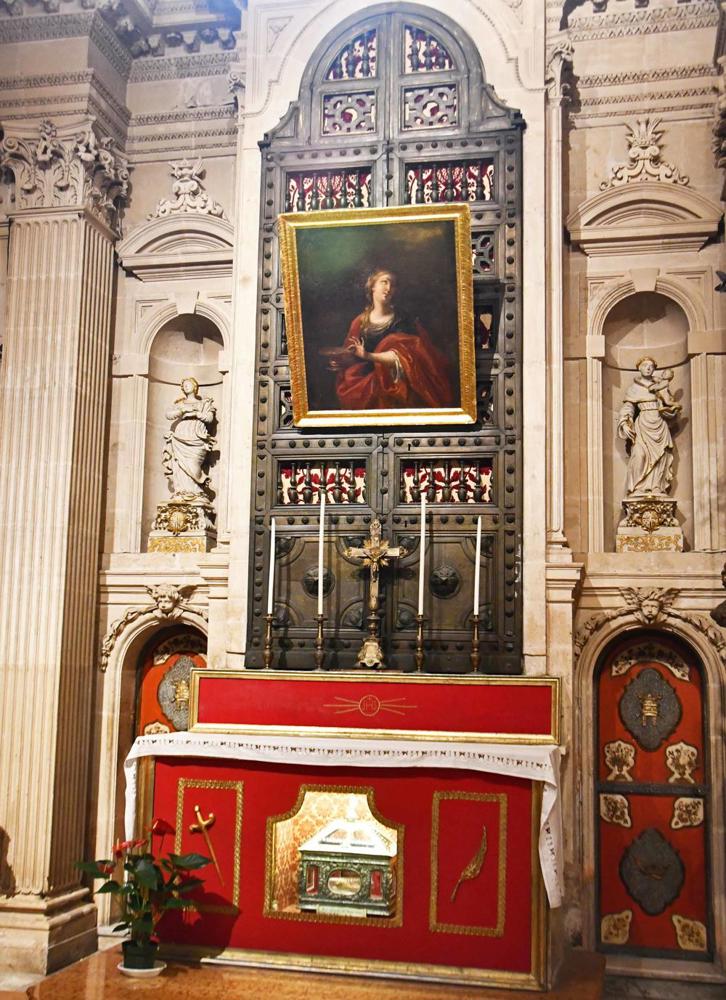


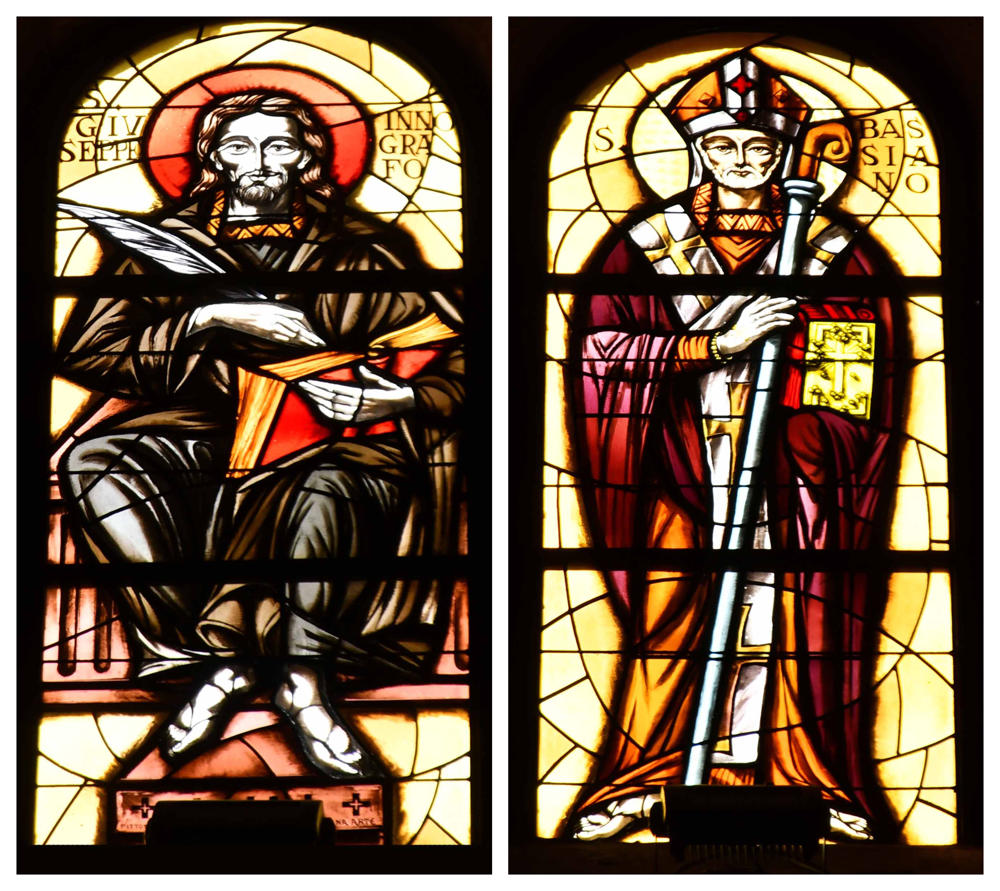
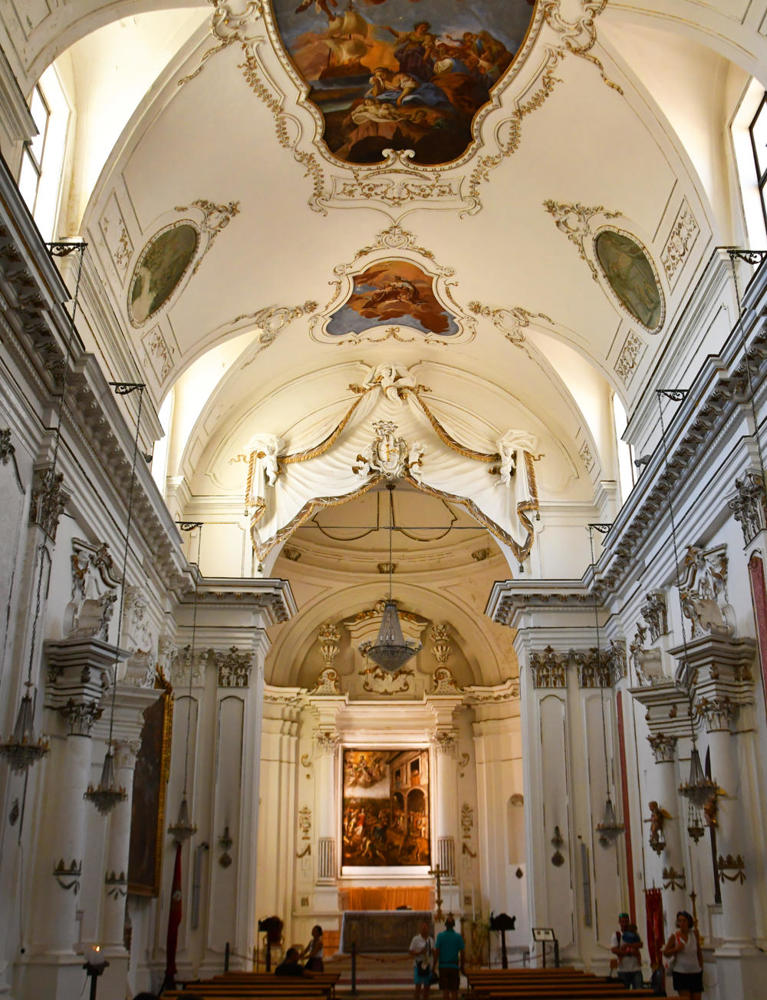
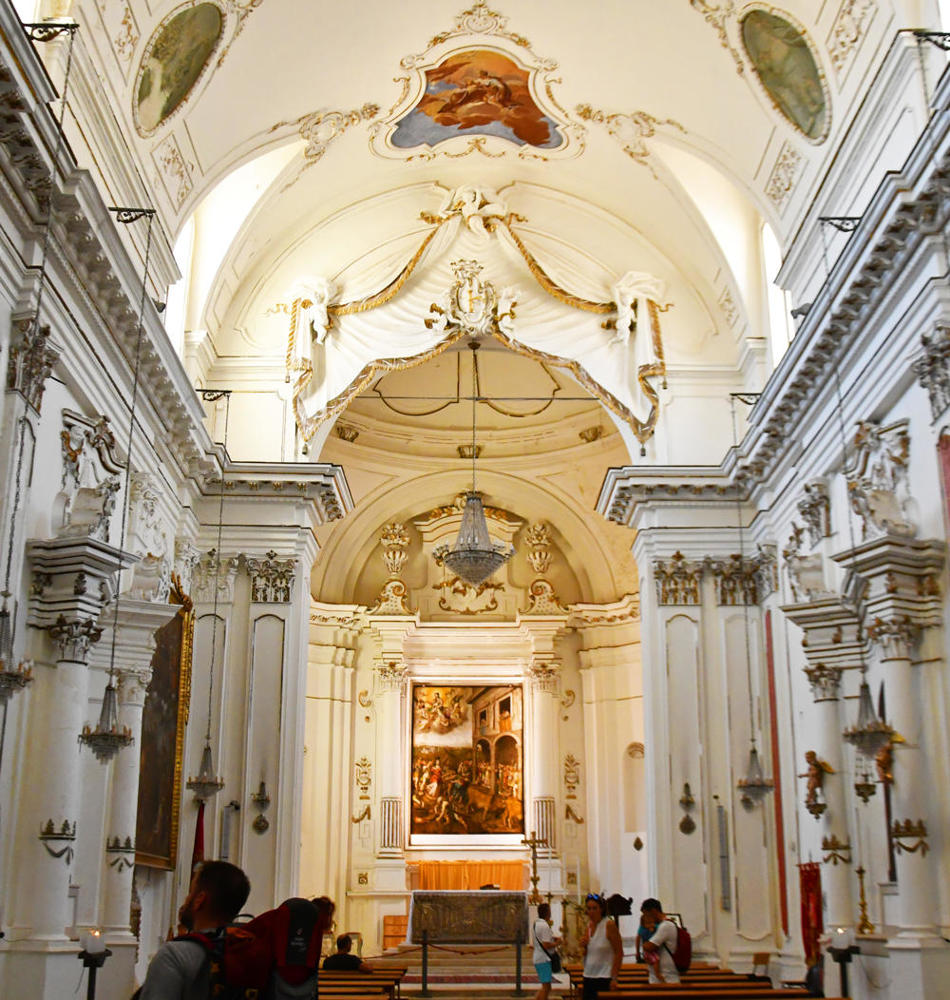
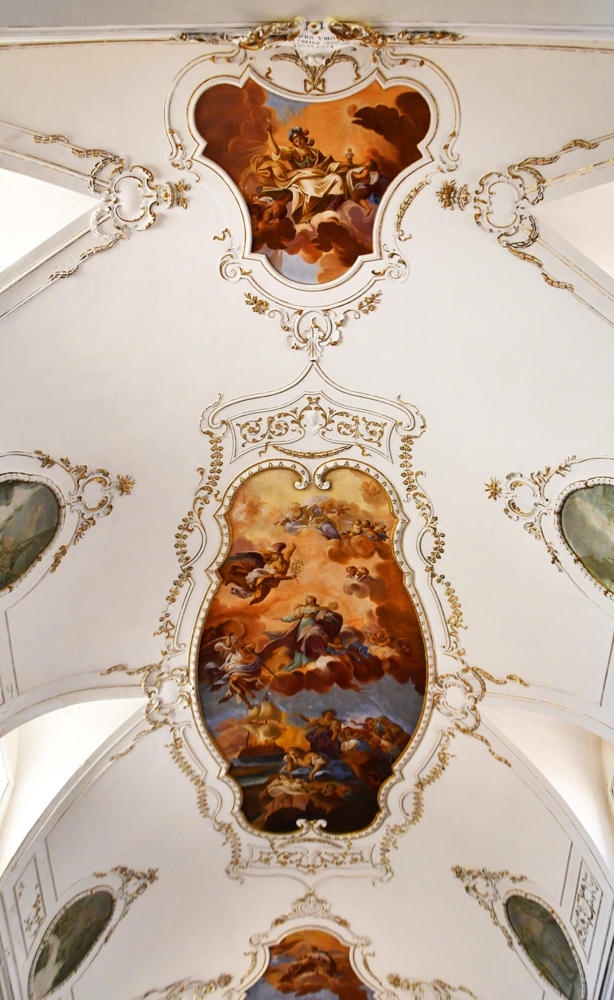
Chiesa Santa Lucia della Badia

Santa Lucia alla Badia, now deconsecrated, is located on the island of Ortigia, the historic city center of Siracusa. A church and monastery at the site was present by the mid-15th century, putatively with the patronage of Queen Isabella of Spain. It was supposedly built at the site at which St Lucy was forced into prostitution.