Bari
2024

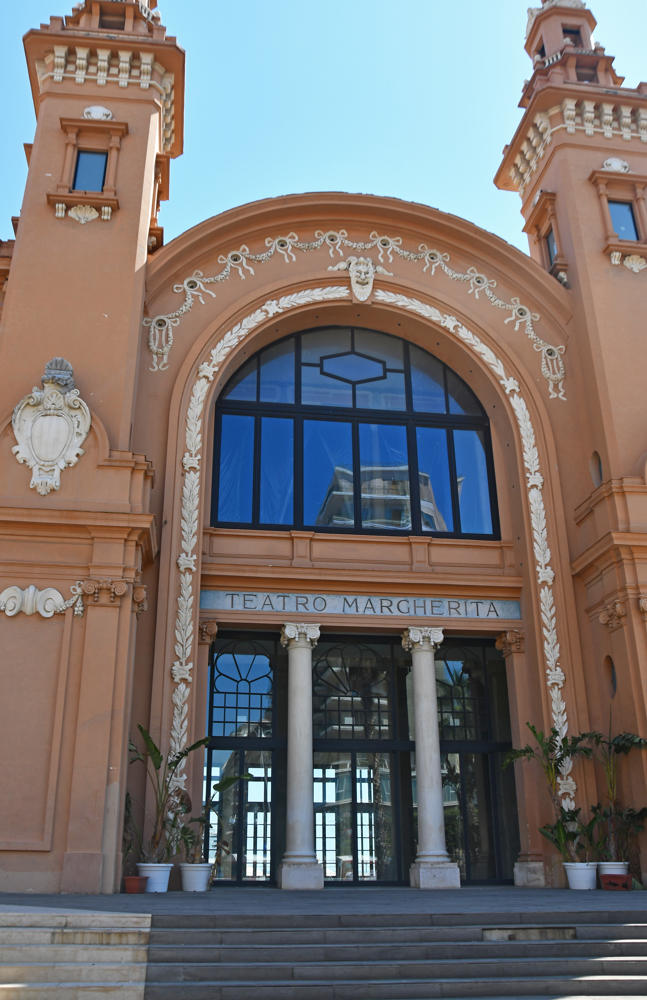
Teatro Margherita
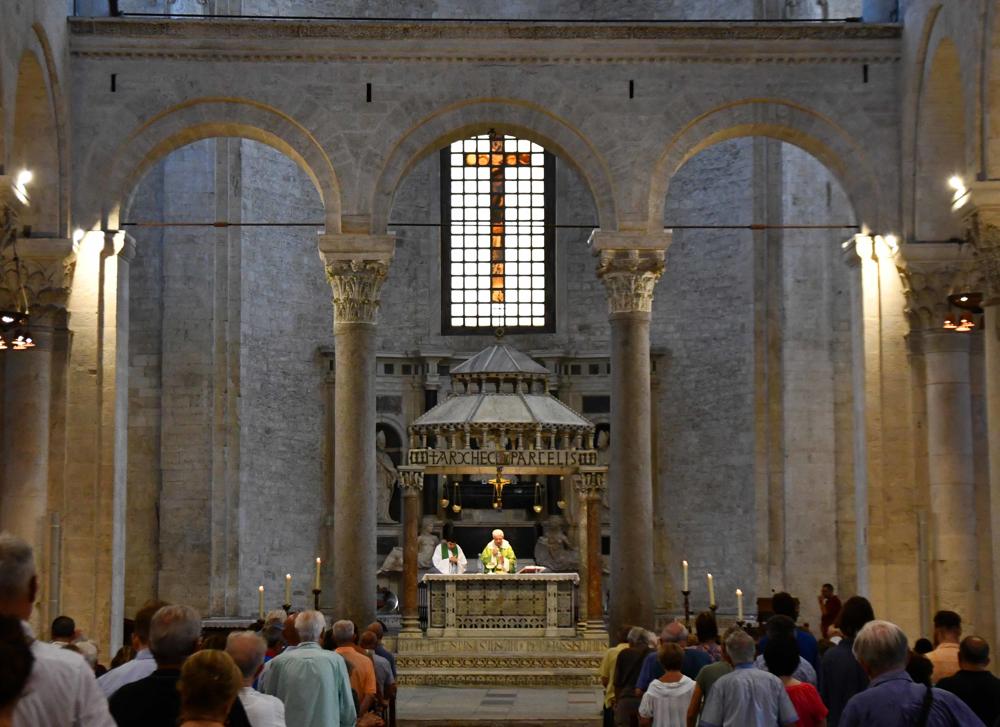
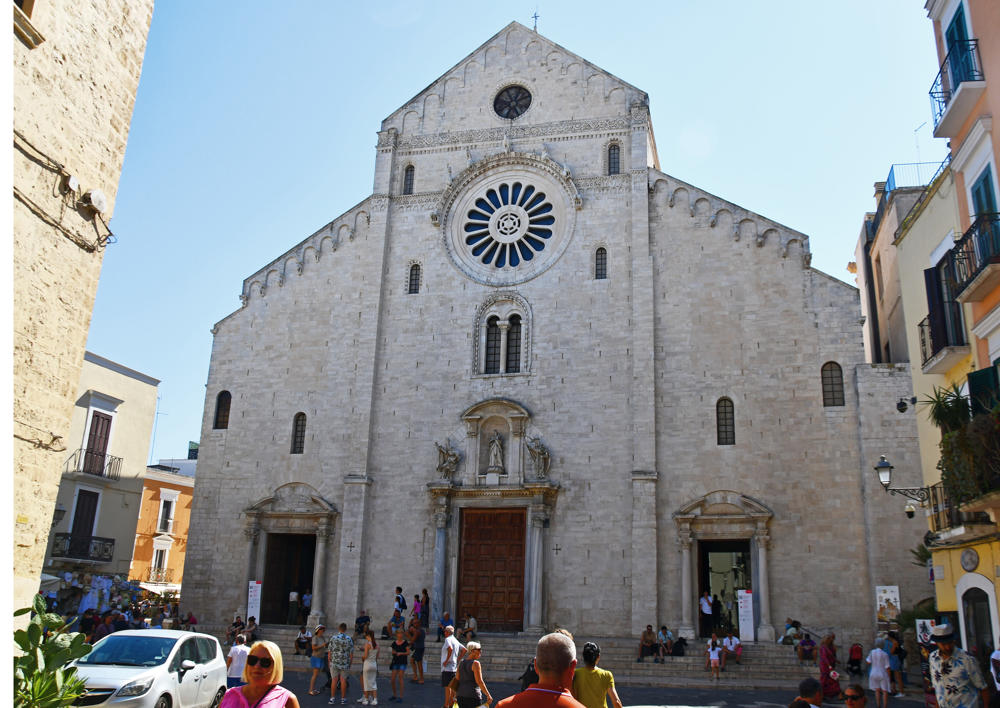
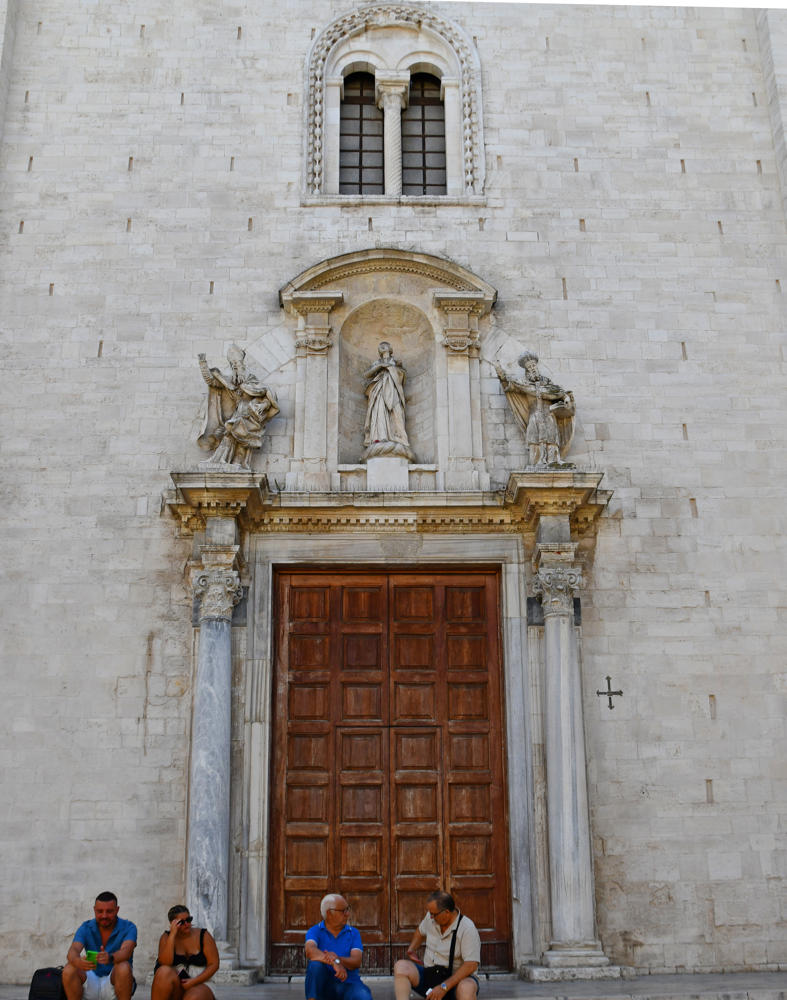
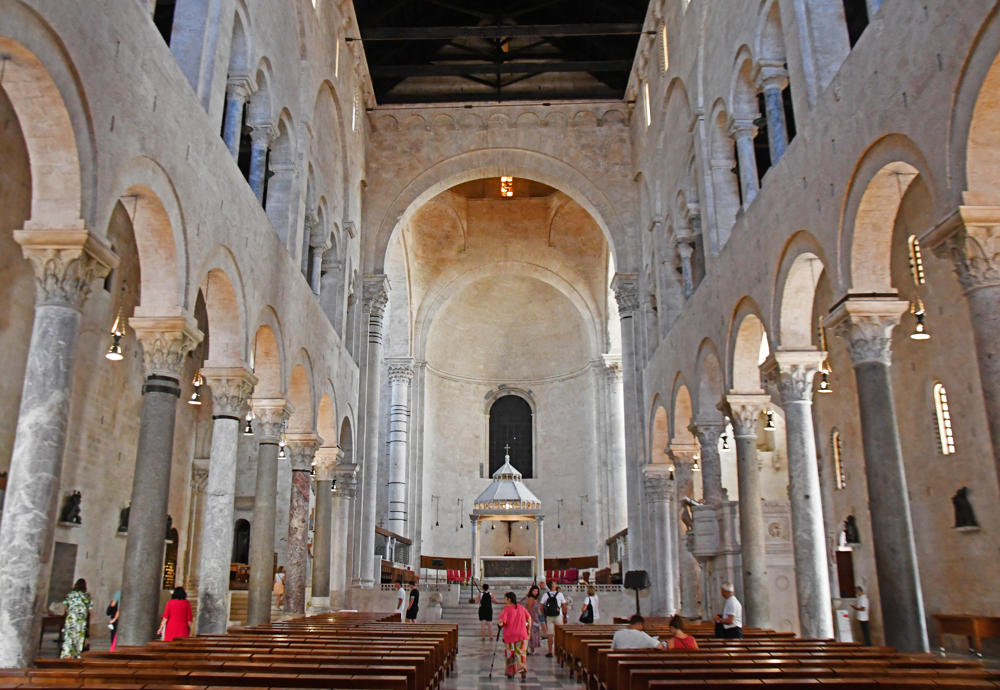
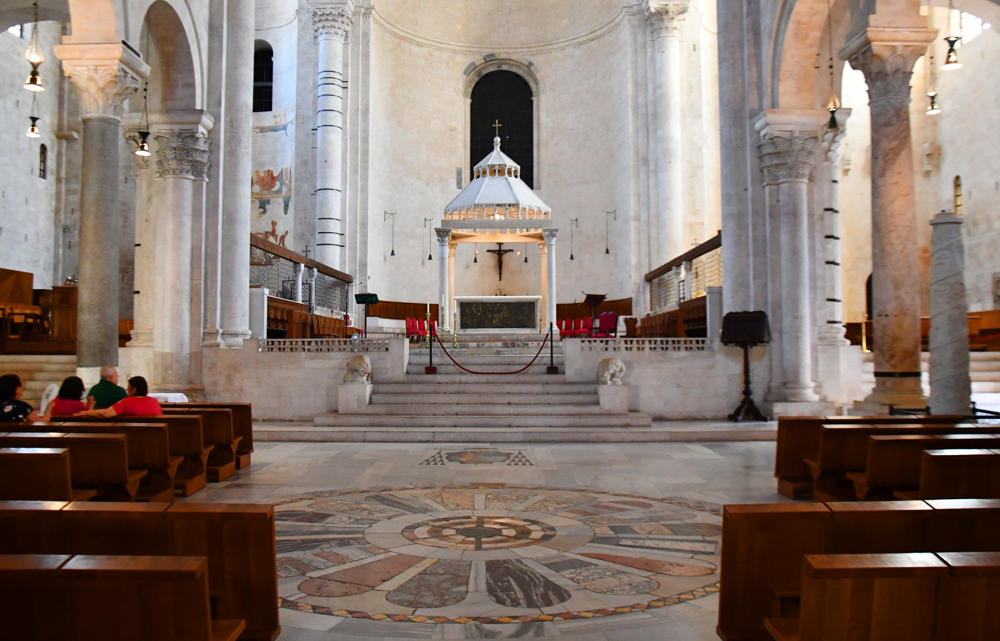
Pontifical Basilica of Saint Nicholas
The church was built in Romanesque style between 1087 and 1103, during the Norman domination of Apulia, to host the relics of Saint Nicholas, which were transferred from Myra, Lycia, to Bari, on May 9, 1087. The relics were temporarily housed in the Monastery of St. Benedict. On October 1, 1089, the relics were transferred to the crypt of the unfinished basilica by Pope Urban II, who came to Bari specifically for this. The construction of the basilica was completed in 1103. The church is used by both Orthodox and Roman Catholic congregations. For those wondering, San Nicola, St Nicholas, is also known as "Saint Nick" or Santa Claus.
Ceiling paintings by Carlo Rosa of Bitontum. He began painting the ceiling in 1661 and it took him about 10 years to complete.
Madonna with Child and Four Saints (1476), by Bartolomeo Vivarini
(St. James and St. Ludwig, and St. Nicholas and St. Peter)
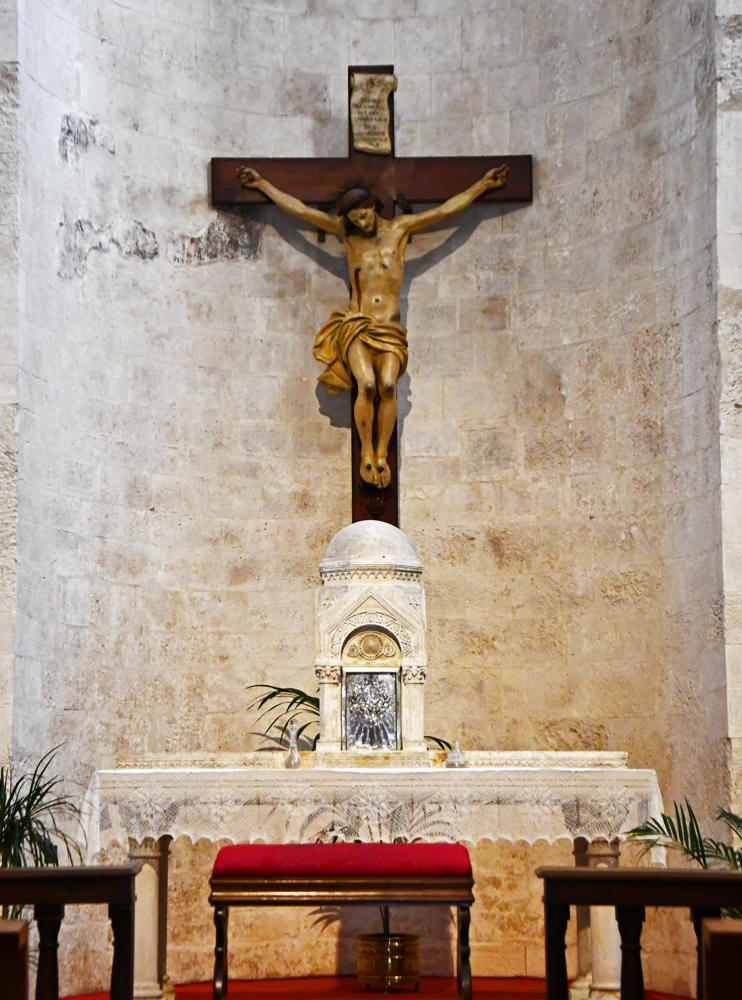
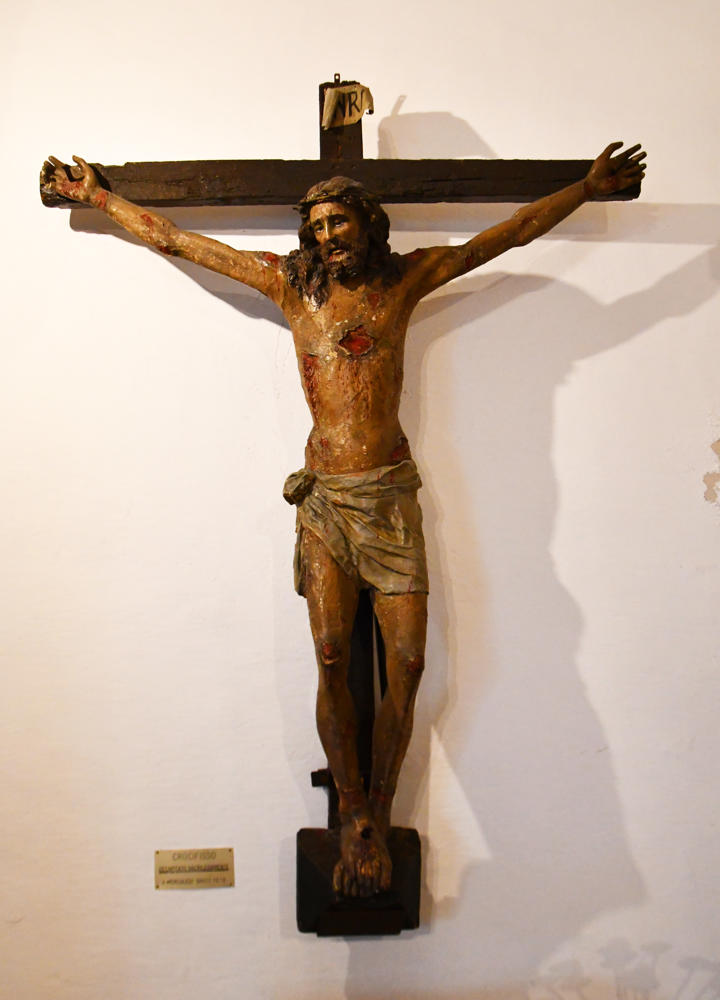
Crucifixion, artist unknown
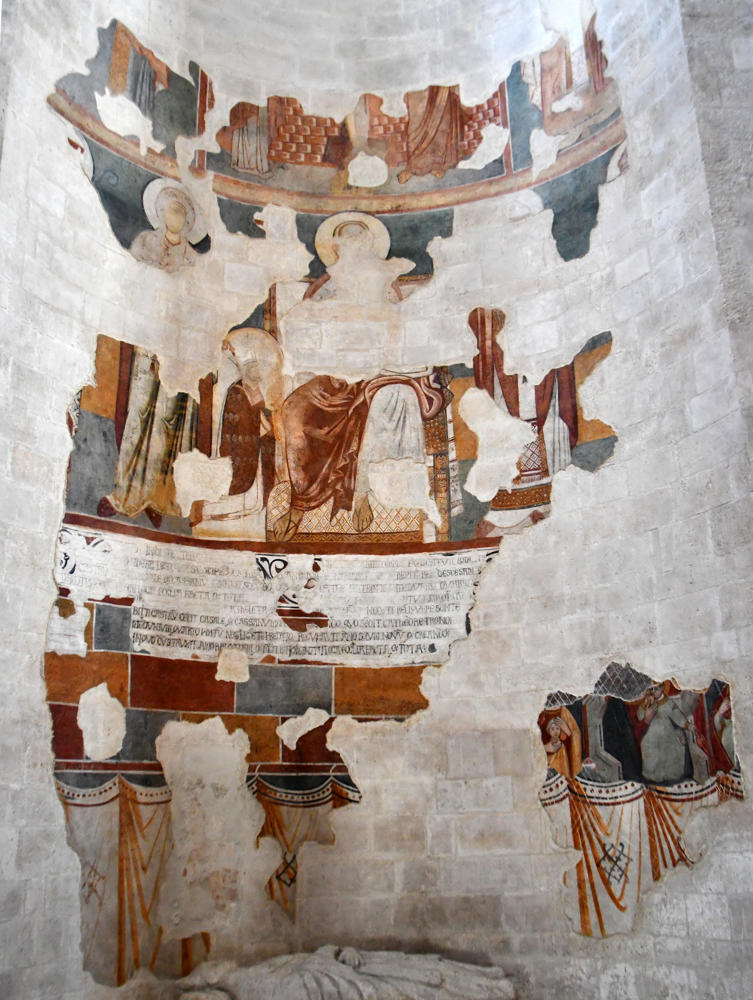
Fresco inside the Basilica - in the front, a triptych by Andrea Rizo da Candia (1451)
Our Lady of the Passion flanked by St John the Evangelist (left) and St Nicolas (right)
The crypt of the relics of San Nicola - there was a ceremony in progress so I stayed back
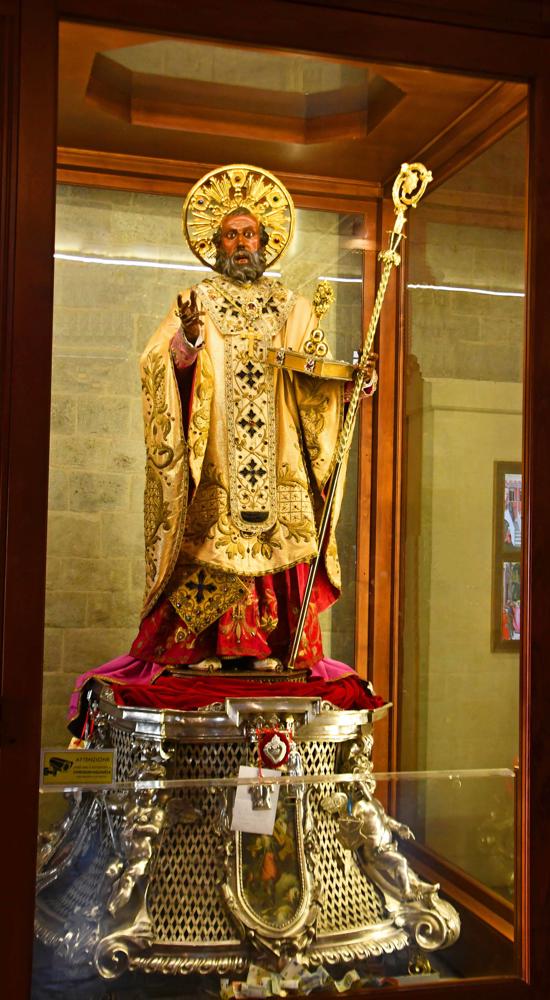
Statue of San Nicola, a gift from the Russian Federation, presented by President Vladimir Putin
Cathedral of San Sabino
The Piazza dell'Odegitria in western BariThe Cathedral of San Sabino, formerly called the Cathedral of Santa Maria Assunta (St. Mary of the Assumption). The present church was rebuilt after the destruction of the city at the hands of the Norman King William the Wicked in 1156. The Cathedral was consecrated in 1292.
Front facade
Our Lady of Sorrows
Bishop of Canosa di Puglia, 5th - 6th century
Painting by Francesco de Mura, Assumption of the Virgin Mary, circa 1774-75
Sights around the city
Teatro Margherita is a former theatre - opened in 1914.
The Teatro Margherita was used as a theatre and cinema until 1979. It is used as a museum now.
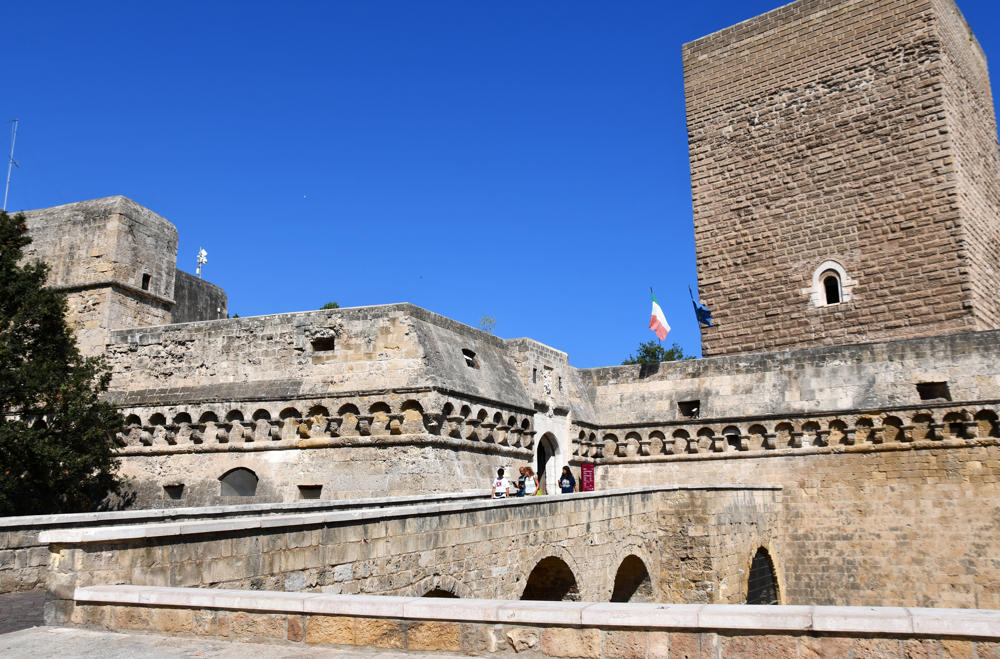
Castello Normanno-Svevo - Probably built in 1132 by Norman King Roger II, it was destroyed in 1156 by king William I of Sicily and rebuilt and reinforced in 1233 by the Fredrick II, then King of Sicily. After being acquired by Duke Ferdinand of Aragon, was donated to the Sforza family and passed to Bona Sforza, Queen of Poland. It was returned to the King of Naples and transformed into a prison and barracks.
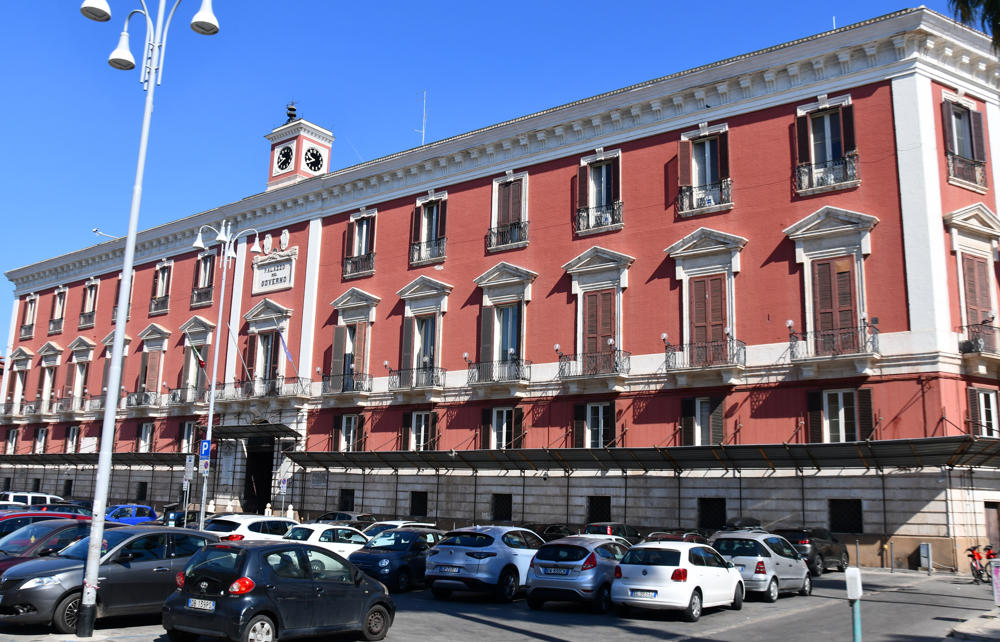
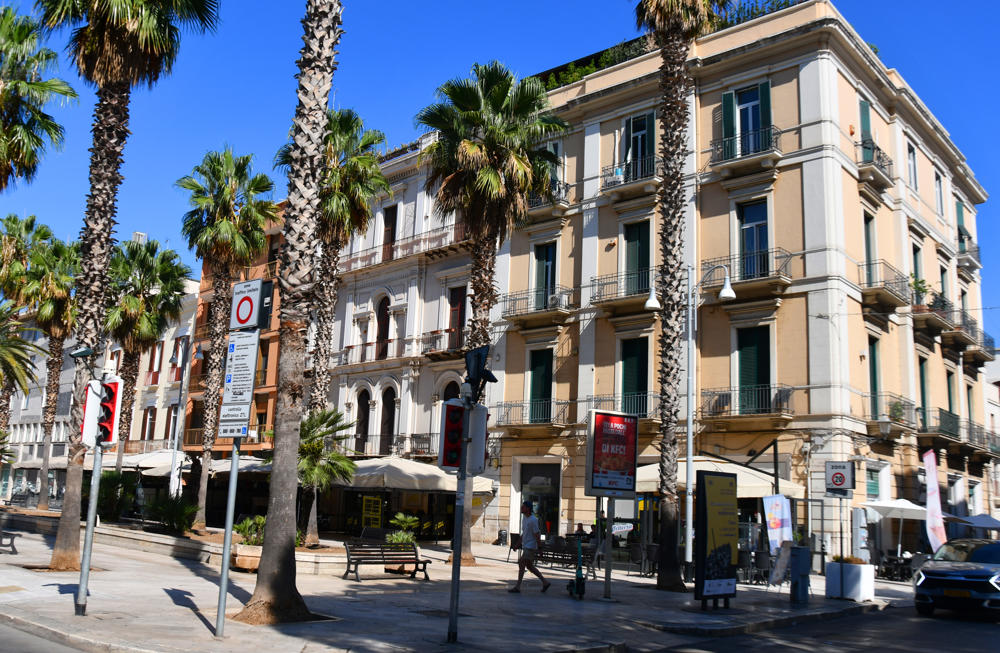
Palazzo del Governo - government offices
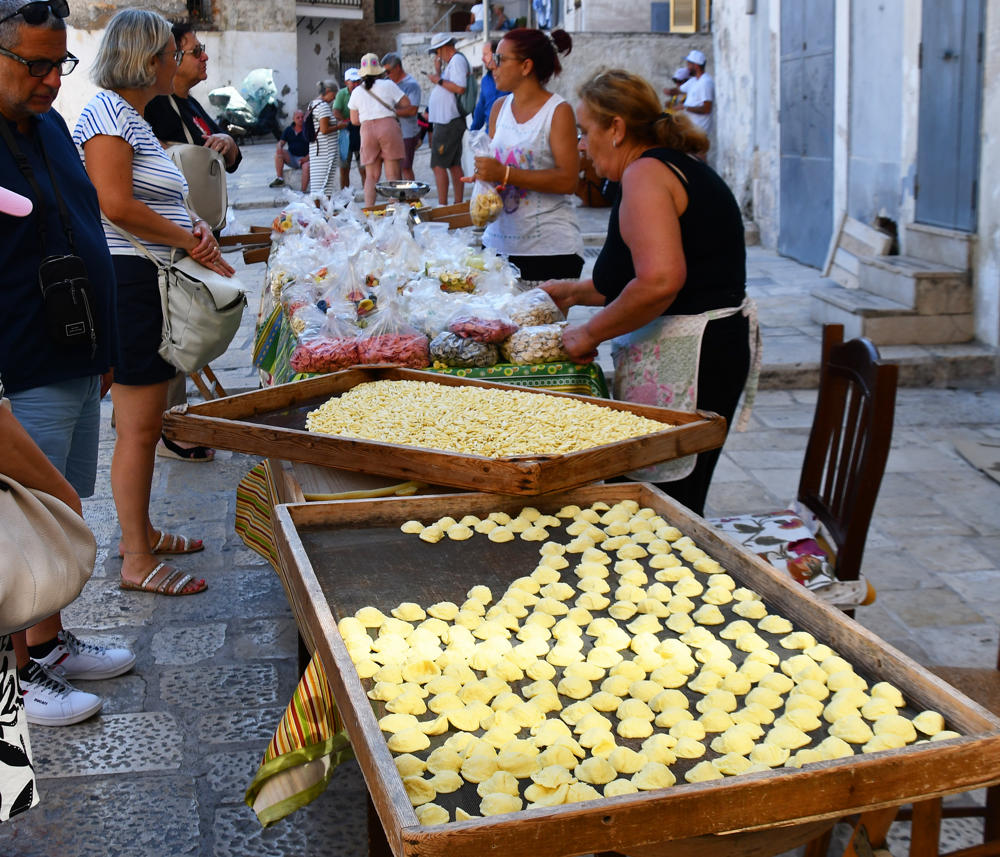
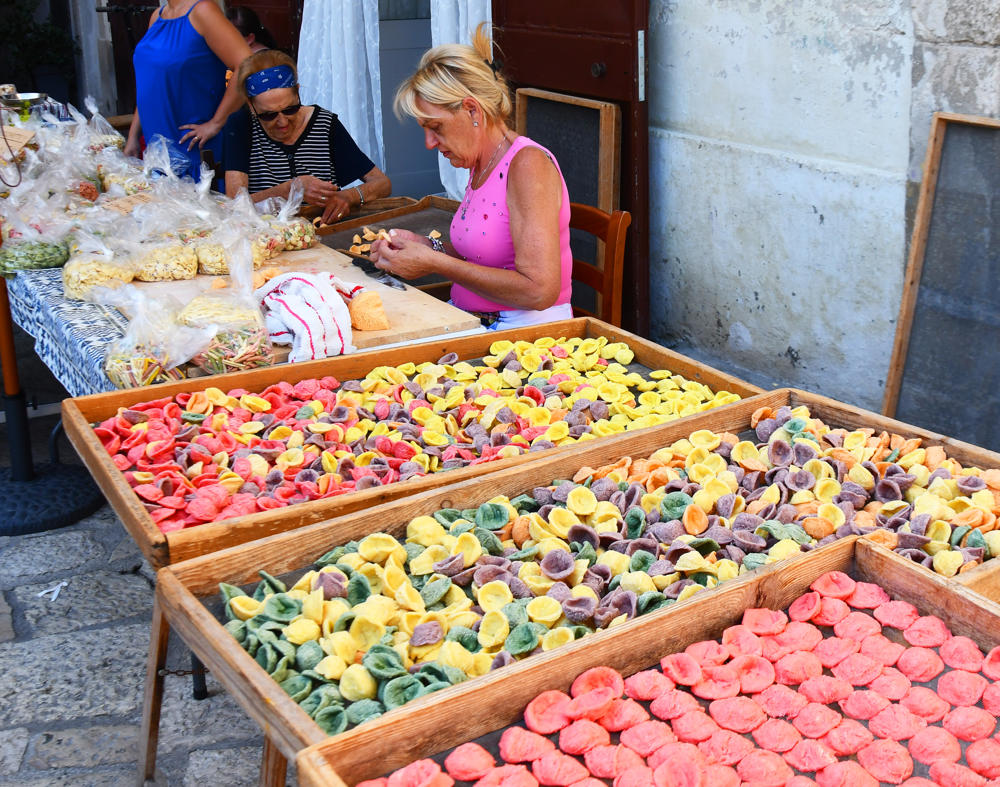
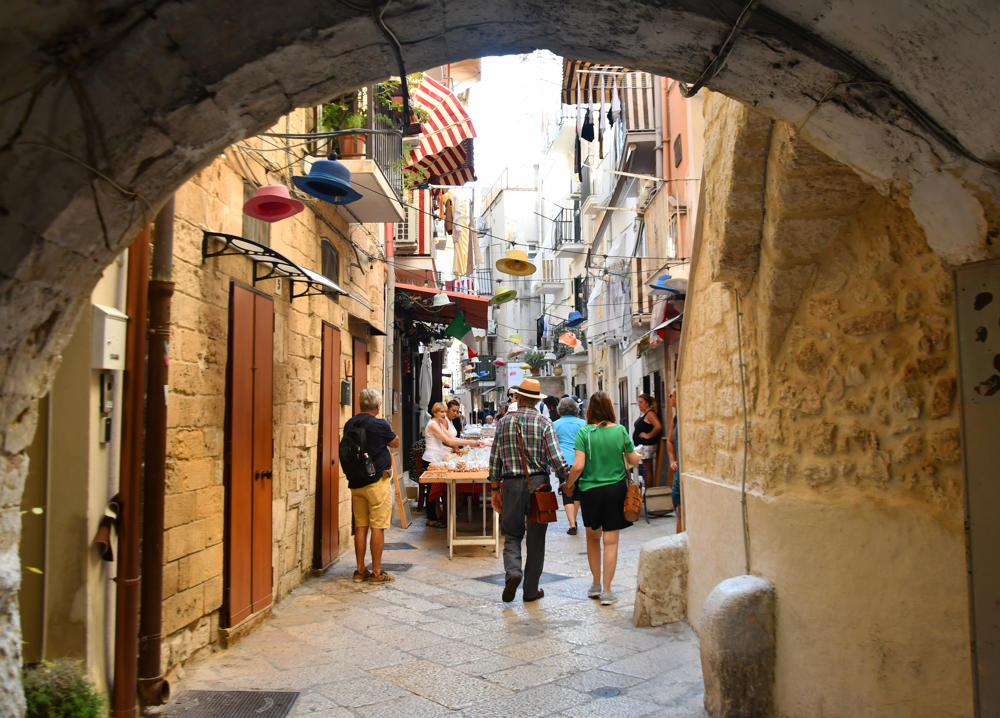
Strada delle Orecchiette - street where they make the famous Pugliese "ear" pasta
Palazzo Grigio - a lot of Airbnb units here
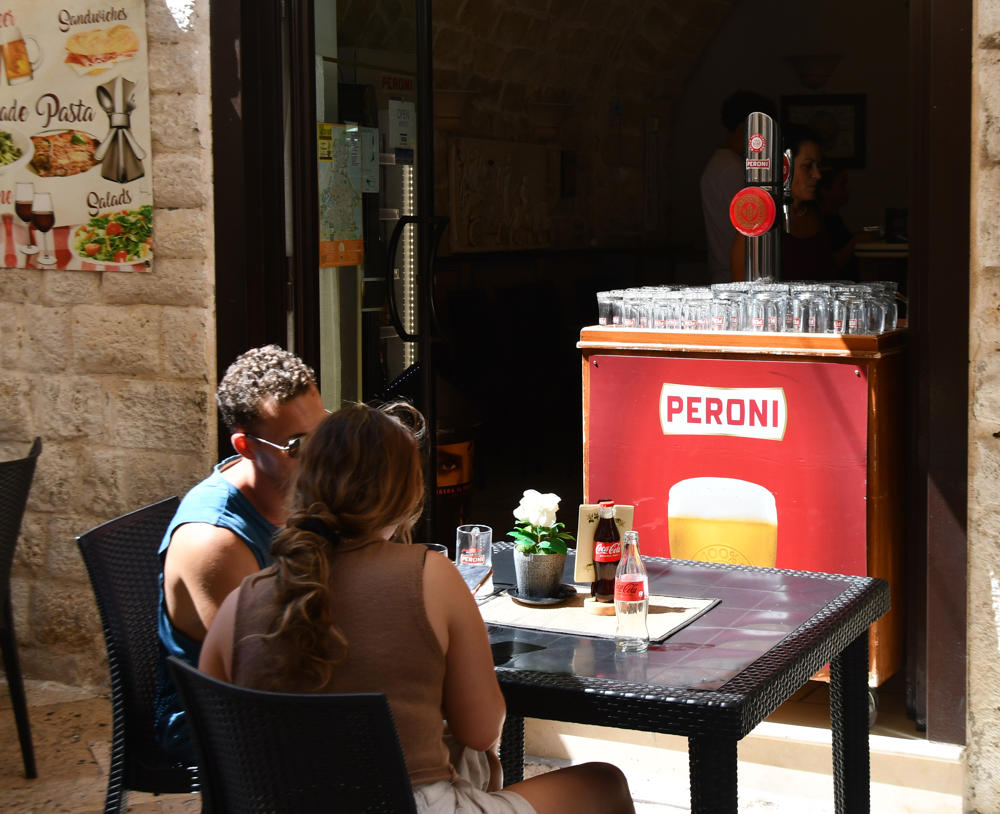
Peroni is an Italian lager beer that has been brewed since 1846. It's known for its crisp, light taste, and is made with a blend of ingredients including Italian maize and 100% Italian malt
The Guardi di Finanza - sort of a cross between the IRS, ATF and DEA, although these guys are a lot scarier